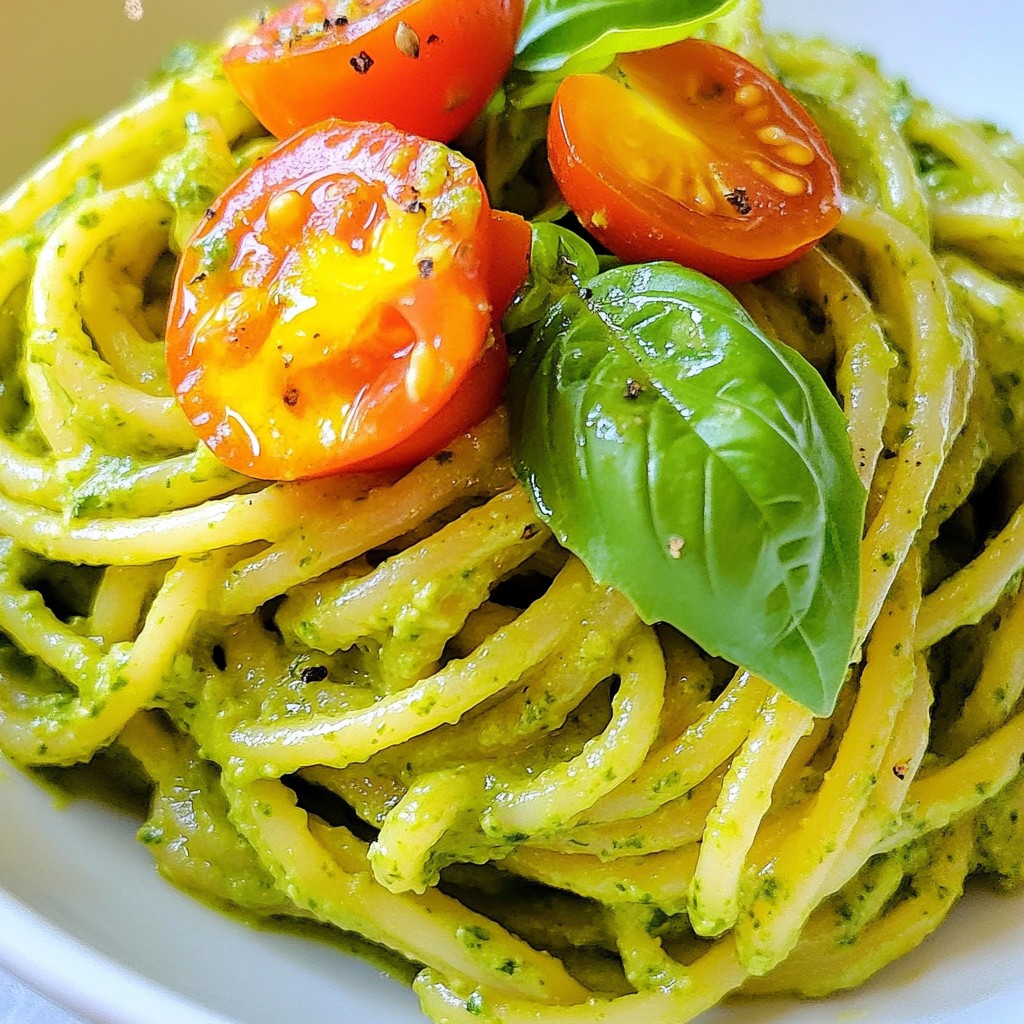
Welcome to a delicious twist on pasta night! This Creamy Avocado Pasta recipe is both quick and simple. With just a handful of fresh ingredients, you’ll create a creamy sauce that’s rich in flavor and healthy too. I’ll walk you through easy steps, helpful tips, and yummy variations. Whether you’re feeding a crowd or just yourself, this dish will impress. Let’s dive into this tasty adventure together!
Why I Love This Recipe
- Deliciously Creamy: The avocado creates a rich and creamy sauce that feels indulgent but is actually quite healthy.
- Quick and Easy: This dish can be made in under 20 minutes, making it a perfect weeknight meal.
- Fresh Ingredients: Using ripe avocados and fresh basil elevates the flavor, bringing a burst of freshness to each bite.
- Customizable: You can easily adjust the ingredients or add your favorite toppings to make this recipe your own.
Ingredients
List of Ingredients
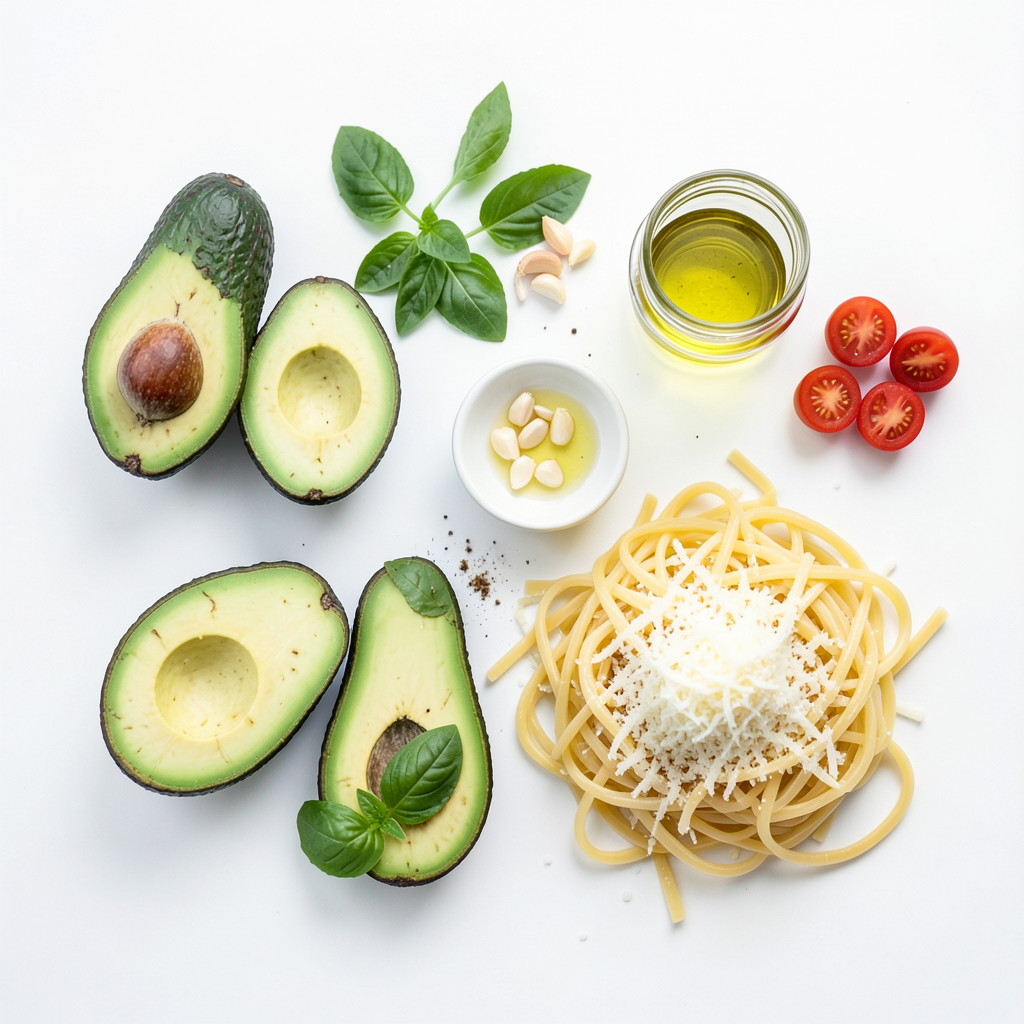
To make creamy avocado pasta, gather these fresh ingredients:
- 2 ripe avocados, halved and pitted
- 2 cloves garlic, minced
- 1 tablespoon lemon juice
- 1/4 cup fresh basil leaves, plus extra for garnish
- 2 tablespoons olive oil
- Salt and pepper to taste
- 12 oz spaghetti or your choice of pasta
- 1/4 cup grated Parmesan cheese (optional, for serving)
- 1/4 cup cherry tomatoes, halved (for garnish)
These ingredients blend to create a rich, tasty sauce that coats your pasta perfectly.
Optional Ingredients for Variations
You can customize your creamy avocado pasta with these optional ingredients:
- A pinch of red pepper flakes for heat
- Sliced olives for a briny kick
- Cooked chicken or shrimp for added protein
- A splash of balsamic vinegar for depth
These additions can make your dish unique and suit your taste.
Dietary Substitutions
If you have dietary needs, consider these substitutions:
- Use gluten-free pasta for a gluten-free option.
- Replace Parmesan cheese with nutritional yeast for a vegan dish.
- Swap olive oil with avocado oil for a different flavor.
These swaps help make the dish fit your lifestyle while keeping it delicious.
Step-by-Step Instructions
Preparing the Pasta
First, fill a large pot with water. Add a pinch of salt and bring it to a boil. Once boiling, add 12 ounces of spaghetti or your favorite pasta. Cook according to the package instructions.
After the pasta is done, reserve about 1 cup of the pasta water. This water helps adjust the sauce later. Drain the pasta in a colander and set it aside.
Making the Avocado Sauce
Grab two ripe avocados and cut them in half. Remove the pits and scoop the flesh into a food processor. Add two minced cloves of garlic, one tablespoon of lemon juice, and 1/4 cup of fresh basil leaves.
Pour in two tablespoons of olive oil. Blend everything until smooth and creamy. If the sauce is too thick, add some reserved pasta water. Blend again to mix it well. Season the sauce with salt and pepper to taste.
Combining Pasta and Sauce
In a large mixing bowl, combine the drained pasta and the creamy avocado sauce. Toss gently until every strand of pasta is coated. If the sauce is too thick, add more reserved pasta water a little at a time.
Serve the pasta right away. Top with halved cherry tomatoes and extra basil for a colorful look. You can also sprinkle grated Parmesan cheese on top if you like. Enjoy your creamy avocado pasta!
Tips & Tricks
How to Choose Ripe Avocados
When picking avocados, look for ones that feel soft but not mushy. Gently squeeze them. If they yield slightly to pressure, they are ready to eat. The skin should be dark green or black, but avoid ones with blemishes. You can also check the stem. If it comes off easily and shows green underneath, the avocado is ripe.
Adjusting Sauce Consistency
After blending your avocado sauce, it may be too thick. To fix this, add a little of the reserved pasta water. Start with one tablespoon at a time until you reach the desired creaminess. This way, you can customize the sauce to your liking. A smooth sauce will coat the pasta nicely.
Enhancing Flavor Profiles
To boost the flavors in your avocado pasta, try adding more garlic or a pinch of red pepper flakes for heat. Fresh herbs like parsley or cilantro can add brightness too. A dash of balsamic vinegar can add depth and richness. Don't forget to season well with salt and pepper; it really brings out the flavors!
Pro Tips
- Choose Ripe Avocados: Make sure your avocados are perfectly ripe for a creamy texture. They should yield slightly to gentle pressure when squeezed.
- Save Pasta Water: Reserving pasta water is key to adjusting the consistency of your sauce. The starchy water helps the sauce adhere better to the pasta.
- Experiment with Herbs: Feel free to mix in other herbs like parsley or cilantro for a unique flavor twist that complements the avocado.
- Serve Immediately: This dish tastes best fresh! The avocado can brown quickly, so serve right after mixing for optimal flavor and presentation.
Variations
Adding Protein Options
You can boost your creamy avocado pasta by adding protein. Cooked chicken, shrimp, or tofu work well. For chicken, grill or pan-sear it first. For shrimp, sauté until pink. If you use tofu, try frying it until golden. Mix your chosen protein into the pasta for a filling meal.
Vegetarian and Vegan Adaptations
This recipe is easy to adapt for vegetarians and vegans. Simply skip the Parmesan cheese for a vegan dish. You can also add nutritional yeast for a cheesy flavor without dairy. For a vegetarian twist, use goat cheese instead of Parmesan. Both options keep the dish creamy and tasty.
Flavor Enhancements (Spices or Add-ins)
To spice things up, try adding crushed red pepper flakes or black pepper. A pinch of smoked paprika gives a nice depth. You can also mix in sun-dried tomatoes or olives for extra flavor. Fresh herbs like mint can add a new layer of taste. Experiment with these add-ins to make the dish your own.
Storage Info
Best Practices for Storing Leftovers
To keep your creamy avocado pasta fresh, store it in an airtight container. Make sure to refrigerate it within two hours of cooking. This will help prevent spoilage. Use the pasta within 2-3 days for the best taste. If you notice any browning, mix it back in to keep the flavor strong.
Reheating Tips
When reheating, do it gently. Use a pan over low heat. Add a splash of reserved pasta water to keep it creamy. Stir often to avoid burning. You can also microwave it. Place the pasta in a bowl and cover it with a damp paper towel. Heat in short bursts, stirring in between until warm.
Freezing the Avocado Sauce
You can freeze the avocado sauce for later use. Place it in a freezer-safe container. Leave some space at the top for expansion. It can last up to three months in the freezer. When ready to use, thaw it in the fridge overnight. Stir well before serving to bring back its creamy texture.
FAQs
Can I make this recipe ahead of time?
Yes, you can make the creamy avocado sauce ahead of time. Store it in an airtight container in the fridge. Use it within one day for the best flavor. The pasta is best fresh, but you can cook it earlier. Just toss it with the sauce when you're ready to eat.
What can I substitute for Parmesan cheese?
If you do not have Parmesan, try nutritional yeast for a vegan option. You can also use pecorino or a vegan cheese. For a nutty flavor, crushed almonds or walnuts can work too.
Is creamy avocado pasta healthy?
Yes, creamy avocado pasta is healthy. Avocados provide healthy fats and fiber. They help keep you full. The dish is also low in processed ingredients, making it a great choice for a balanced meal.
Can I use other types of pasta?
Absolutely! You can use any pasta you like. Try whole wheat, gluten-free, or even zucchini noodles. Each type will give a different twist to your dish.
How to prevent avocado from browning?
To prevent browning, add lemon juice to the avocado sauce. The acid helps keep it fresh. Store it in an airtight container with plastic wrap directly on the sauce. This reduces contact with air and slows browning.
This blog post covered everything you need to make creamy avocado pasta. We explored the best ingredients, how to prepare them, and how to adjust for dietary needs. I shared useful tips for selecting ripe avocados and enhancing flavors. You learned about tasty variations and effective storage methods.
In the end, this recipe is healthy, flexible, and delicious. It’s perfect for any meal. Try it out and enjoy simple cooking with great taste!