Sesame Ginger Stir-Fry Noodles Quick and Tasty Recipe

WANT TO SAVE THIS RECIPE?

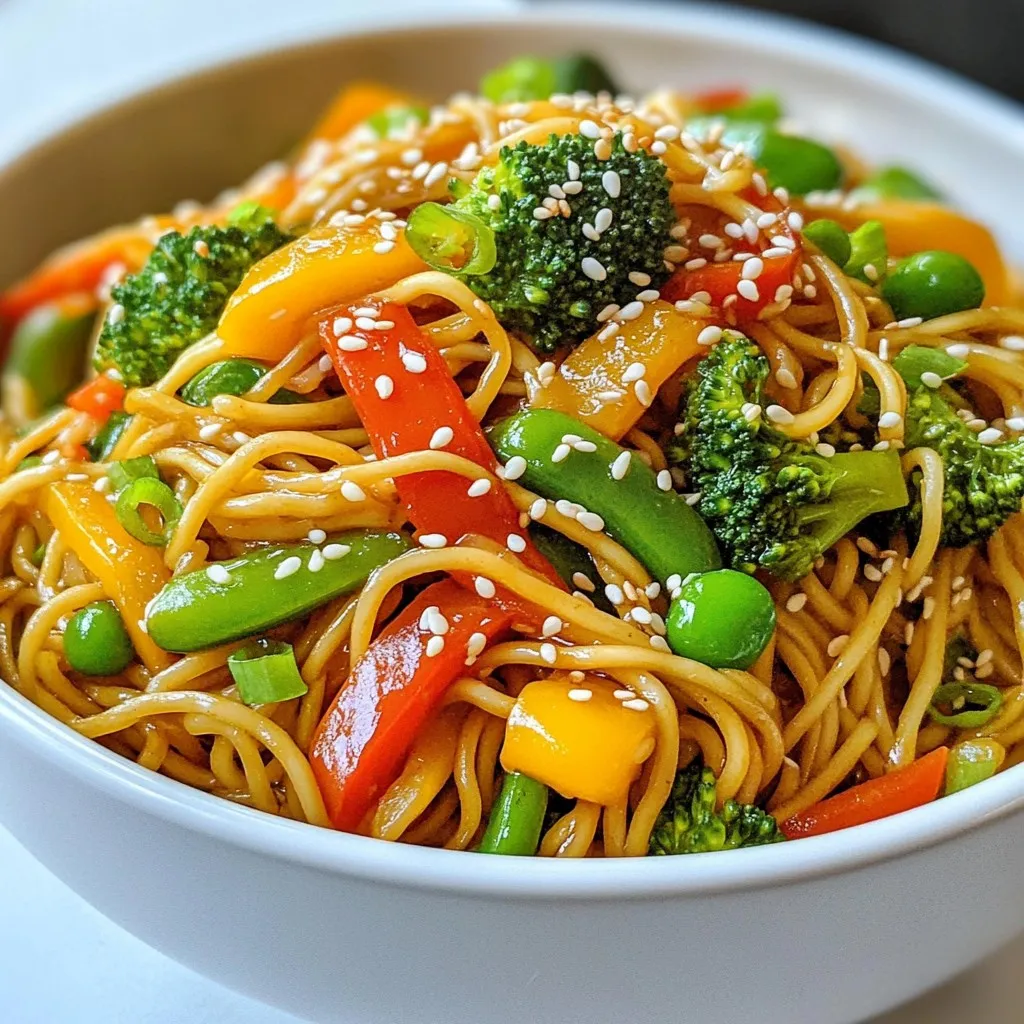
If you’re looking for a quick and tasty meal, I’ve got you covered with my Sesame Ginger Stir-Fry Noodles. This simple recipe packs a flavorful punch and can be customized to your taste. With just a few basic ingredients and easy steps, you can whip up a delicious dish that’s perfect for any night of the week. Let’s dive into the world of stir-fry and get cooking!

Why I Love This Recipe

  1. Quick and Easy: This recipe can be whipped up in just 20 minutes, making it perfect for busy weeknights.
  2. Healthy and Colorful: Loaded with fresh vegetables, this stir-fry is a vibrant and nutritious meal option.
  3. Flavorful Sauce: The combination of sesame oil, ginger, and soy sauce creates a deliciously rich flavor that elevates the dish.
  4. Versatile Ingredients: You can easily customize this recipe with your favorite noodles and seasonal vegetables.

Ingredients

Main ingredients for Sesame Ginger Stir-Fry Noodles

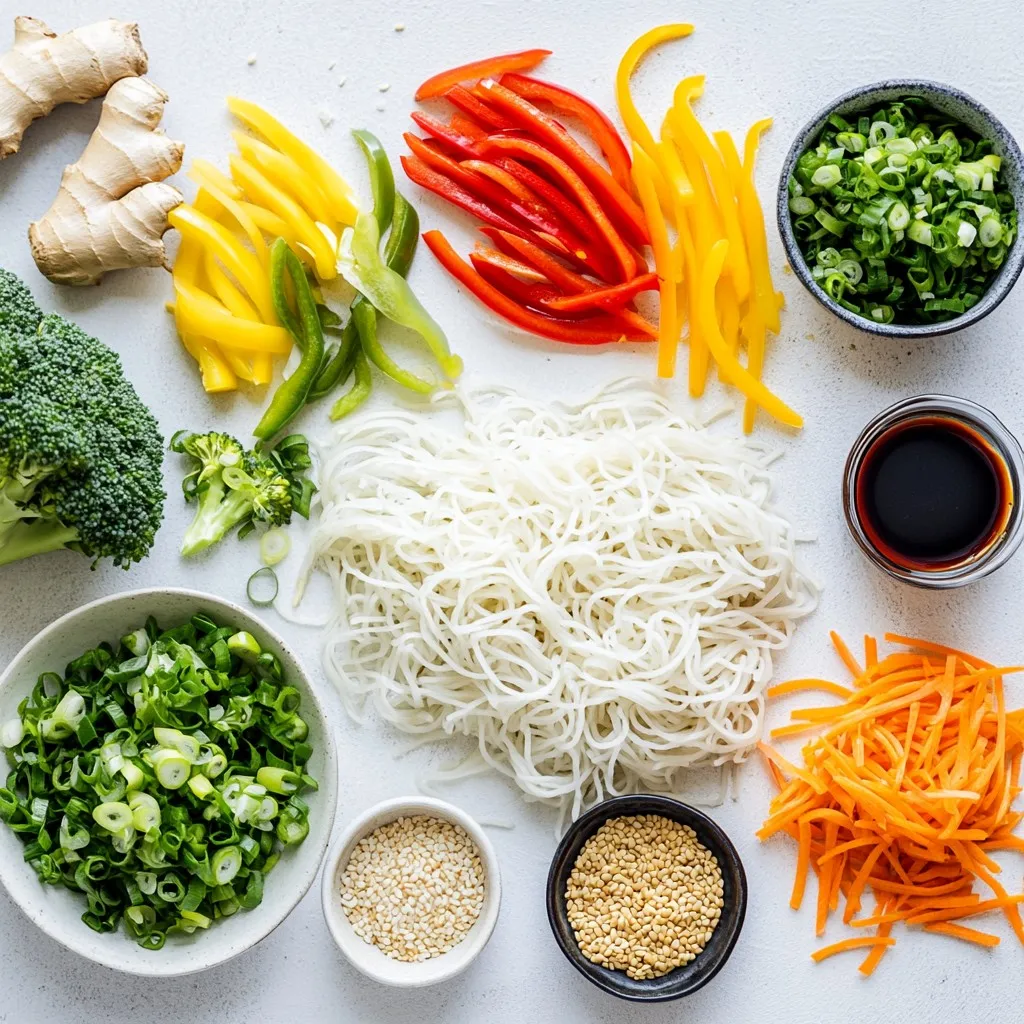
To make this dish, you need some tasty ingredients. Here’s the list:

– 200g noodles (your choice: rice, egg, or whole grain)

– 2 tablespoons sesame oil

– 1 tablespoon fresh ginger, grated

– 2 cloves garlic, minced

– 1 cup bell peppers, thinly sliced (mix of red, yellow, and green)

– 1 cup broccoli florets

– 1 carrot, julienned

– 1 cup snap peas

– 3 tablespoons soy sauce (or tamari for gluten-free)

– 1 tablespoon honey or agave syrup

– 1 tablespoon rice vinegar

– 2 tablespoons sesame seeds

– Green onions, chopped for garnish

These ingredients create a balance of flavors and colors. The ginger and garlic give a nice kick, while the veggies add crunch.

Optional toppings and garnish

You can add some special touches to your stir-fry. Here are a few ideas:

– Chopped cilantro for freshness

– Crushed red pepper for some heat

– Chopped peanuts for added crunch

– A squeeze of lime for brightness

These toppings can make your dish even more enjoyable. Mix and match to suit your taste!

Recommended noodle types

When it comes to noodles, you have choices! Here are my top picks:

– Rice noodles for a gluten-free option

– Egg noodles for a rich flavor

– Whole grain noodles for extra fiber

Each type brings its own unique taste and texture. Choose what you like best or try them all!
Step-by-Step Instructions

Cooking the noodles to perfection

Start by boiling water in a large pot. Add salt to the water for flavor. Once the water boils, add 200g of your choice of noodles. Cook according to the package instructions. Aim for al dente texture. This usually takes about 4-6 minutes. Drain the noodles and rinse them under cold water. Rinsing stops the cooking process and keeps them firm. Set the noodles aside while you prepare the sauce and veggies.

Preparing the sauce for the stir-fry

Grab a small bowl to mix the sauce. Combine 3 tablespoons of soy sauce, 1 tablespoon of honey, 1 tablespoon of rice vinegar, and 2 tablespoons of sesame oil. Whisk these together until smooth. This sauce adds a rich flavor to the stir-fry. Set it aside for later.

Step-by-step sautéing process

Heat a large skillet or wok over medium-high heat. Add 2 tablespoons of sesame oil and let it warm up. Add 1 tablespoon of freshly grated ginger and 2 minced garlic cloves. Sauté for about 30 seconds until they smell great. Next, toss in 1 cup of sliced bell peppers, 1 cup of broccoli florets, 1 julienned carrot, and 1 cup of snap peas. Stir-fry these for 4-5 minutes. You want the veggies to stay bright and crisp.

Now, add the cooked noodles to the skillet. Pour the sauce over the noodles and veggies. Gently toss everything together. Make sure the sauce coats the noodles well. Stir-fry for another 2-3 minutes.

Finally, sprinkle 2 tablespoons of sesame seeds over the dish and give it one last toss. Serve hot and garnish with chopped green onions for a fresh touch. Enjoy the colorful and tasty meal!

Tips & Tricks

Managing cook time for perfect texture

To get the best texture, keep an eye on your noodles. Cook them until they are just al dente. This means they should have a slight bite. Drain them quickly to stop the cooking process. Rinse under cold water to cool them down. This step helps to keep them from getting mushy.

Best practices for using fresh ingredients

Using fresh ingredients makes a big difference. Choose bright, colorful veggies for the best flavor and nutrients. When selecting bell peppers, look for firm ones with shiny skin. Fresh ginger should feel hard and not have soft spots. The fresher your ingredients, the better your stir-fry will taste.

Common mistakes to avoid while stir-frying

Avoid overcooking your vegetables. They should stay bright and crisp. Stir-frying is quick, so have all your ingredients ready. If you add too many veggies at once, they will steam instead of fry. Always keep the heat high and stir often to ensure even cooking. This will help you achieve that perfect stir-fry texture and flavor.

Pro Tips

  1. Use Fresh Ingredients: The fresher your vegetables, the more vibrant your stir-fry will be. Opt for seasonal produce for the best flavor.
  2. Adjust the Spice: If you enjoy a bit of heat, consider adding red pepper flakes or sriracha to the sauce for an extra kick.
  3. Don’t Overcrowd the Pan: Stir-frying requires high heat, so cook in batches if necessary to ensure even cooking and proper browning.
  4. Experiment with Noodles: Try different types of noodles like soba or udon for a unique texture and flavor profile in your stir-fry.

Variations

Substitute vegetables for seasonal freshness

You can easily switch vegetables in this recipe. Try using seasonal veggies for new flavors. For spring, add asparagus or snap peas. In summer, use zucchini and corn. In fall, butternut squash and kale work great. Winter brings hearty veggies like Brussels sprouts or cabbage. Just remember to cut them into small, even pieces. This helps them cook well and stay crisp.

Adjusting the sauce for dietary preferences

You can tweak the sauce to fit your needs. If you’re vegan, use agave syrup instead of honey. For a gluten-free option, choose tamari. If you want less salt, use low-sodium soy sauce. You can also add chili paste for heat or swap the rice vinegar for apple cider vinegar. These changes keep the taste but match your diet.

Protein additions for a heartier meal

Adding protein can make your stir-fry more filling. Chicken, beef, or shrimp are great choices. Cook them first in the skillet before adding veggies. For a plant-based option, try tofu or tempeh. Make sure to press tofu to remove extra moisture. This helps it get crispy. Mix in cooked protein right before serving for a complete meal.

Storage Info

How to store leftover stir-fry noodles

To keep your leftover stir-fry noodles fresh, place them in an airtight container. Make sure they cool down first. This step helps prevent steam from building up. You can store them in the fridge for up to three days. If you want to keep them longer, freezing is a great option.

Reheating tips for best flavor retention

When you are ready to eat the leftovers, reheat them gently. You can use a skillet or a microwave. If using a skillet, add a splash of water or soy sauce. This keeps the noodles moist. Heat on low, stirring frequently, until warm. If using a microwave, cover the bowl to trap steam. Heat in short bursts to avoid overcooking.

Freezing options for meal prep

Freezing stir-fry noodles is easy and smart for meal prep. First, let the noodles cool completely. Then, divide them into meal-sized portions in freezer bags. Squeeze out as much air as possible. Label each bag with the date. You can freeze them for up to three months. When you want to eat them, thaw overnight in the fridge before reheating.

FAQs

Can I make Sesame Ginger Stir-Fry Noodles gluten-free?

Yes, you can make these noodles gluten-free. Just choose gluten-free noodles, like rice noodles. Also, use tamari instead of regular soy sauce. Both swaps will keep the taste great while meeting gluten-free needs.

How long do the leftovers last in the fridge?

Leftovers can last up to three days in the fridge. Store them in an airtight container to keep them fresh. Reheat them in a pan or microwave before eating. This way, you can enjoy your tasty meal again!

What can I serve with stir-fry noodles?

You can serve stir-fry noodles with a side of steamed vegetables or a fresh salad. Spring rolls make a great appetizer. For protein, add grilled chicken, tofu, or shrimp. This makes a well-rounded meal that everyone will love.

You now have all the tools to make a great Sesame Ginger Stir-Fry Noodle dish. We covered main ingredients, helpful cooking steps, and great tips to avoid common mistakes. You can easily customize the dish with fresh vegetables and proteins. Don’t forget how to store and reheat your leftovers for future meals.

Remember, the key is in the details. Enjoy this quick, tasty meal anytime you need. Happy cookin
To make this dish, you need some tasty ingredients. Here’s the list: - 200g noodles (your choice: rice, egg, or whole grain) - 2 tablespoons sesame oil - 1 tablespoon fresh ginger, grated - 2 cloves garlic, minced - 1 cup bell peppers, thinly sliced (mix of red, yellow, and green) - 1 cup broccoli florets - 1 carrot, julienned - 1 cup snap peas - 3 tablespoons soy sauce (or tamari for gluten-free) - 1 tablespoon honey or agave syrup - 1 tablespoon rice vinegar - 2 tablespoons sesame seeds - Green onions, chopped for garnish These ingredients create a balance of flavors and colors. The ginger and garlic give a nice kick, while the veggies add crunch. You can add some special touches to your stir-fry. Here are a few ideas: - Chopped cilantro for freshness - Crushed red pepper for some heat - Chopped peanuts for added crunch - A squeeze of lime for brightness These toppings can make your dish even more enjoyable. Mix and match to suit your taste! When it comes to noodles, you have choices! Here are my top picks: - Rice noodles for a gluten-free option - Egg noodles for a rich flavor - Whole grain noodles for extra fiber Each type brings its own unique taste and texture. Choose what you like best or try them all! {{ingredient_image_1}} Start by boiling water in a large pot. Add salt to the water for flavor. Once the water boils, add 200g of your choice of noodles. Cook according to the package instructions. Aim for al dente texture. This usually takes about 4-6 minutes. Drain the noodles and rinse them under cold water. Rinsing stops the cooking process and keeps them firm. Set the noodles aside while you prepare the sauce and veggies. Grab a small bowl to mix the sauce. Combine 3 tablespoons of soy sauce, 1 tablespoon of honey, 1 tablespoon of rice vinegar, and 2 tablespoons of sesame oil. Whisk these together until smooth. This sauce adds a rich flavor to the stir-fry. Set it aside for later. Heat a large skillet or wok over medium-high heat. Add 2 tablespoons of sesame oil and let it warm up. Add 1 tablespoon of freshly grated ginger and 2 minced garlic cloves. Sauté for about 30 seconds until they smell great. Next, toss in 1 cup of sliced bell peppers, 1 cup of broccoli florets, 1 julienned carrot, and 1 cup of snap peas. Stir-fry these for 4-5 minutes. You want the veggies to stay bright and crisp. Now, add the cooked noodles to the skillet. Pour the sauce over the noodles and veggies. Gently toss everything together. Make sure the sauce coats the noodles well. Stir-fry for another 2-3 minutes. Finally, sprinkle 2 tablespoons of sesame seeds over the dish and give it one last toss. Serve hot and garnish with chopped green onions for a fresh touch. Enjoy the colorful and tasty meal! To get the best texture, keep an eye on your noodles. Cook them until they are just al dente. This means they should have a slight bite. Drain them quickly to stop the cooking process. Rinse under cold water to cool them down. This step helps to keep them from getting mushy. Using fresh ingredients makes a big difference. Choose bright, colorful veggies for the best flavor and nutrients. When selecting bell peppers, look for firm ones with shiny skin. Fresh ginger should feel hard and not have soft spots. The fresher your ingredients, the better your stir-fry will taste. Avoid overcooking your vegetables. They should stay bright and crisp. Stir-frying is quick, so have all your ingredients ready. If you add too many veggies at once, they will steam instead of fry. Always keep the heat high and stir often to ensure even cooking. This will help you achieve that perfect stir-fry texture and flavor. Pro Tips Use Fresh Ingredients: The fresher your vegetables, the more vibrant your stir-fry will be. Opt for seasonal produce for the best flavor. Adjust the Spice: If you enjoy a bit of heat, consider adding red pepper flakes or sriracha to the sauce for an extra kick. Don’t Overcrowd the Pan: Stir-frying requires high heat, so cook in batches if necessary to ensure even cooking and proper browning. Experiment with Noodles: Try different types of noodles like soba or udon for a unique texture and flavor profile in your stir-fry. {{image_2}} You can easily switch vegetables in this recipe. Try using seasonal veggies for new flavors. For spring, add asparagus or snap peas. In summer, use zucchini and corn. In fall, butternut squash and kale work great. Winter brings hearty veggies like Brussels sprouts or cabbage. Just remember to cut them into small, even pieces. This helps them cook well and stay crisp. You can tweak the sauce to fit your needs. If you're vegan, use agave syrup instead of honey. For a gluten-free option, choose tamari. If you want less salt, use low-sodium soy sauce. You can also add chili paste for heat or swap the rice vinegar for apple cider vinegar. These changes keep the taste but match your diet. Adding protein can make your stir-fry more filling. Chicken, beef, or shrimp are great choices. Cook them first in the skillet before adding veggies. For a plant-based option, try tofu or tempeh. Make sure to press tofu to remove extra moisture. This helps it get crispy. Mix in cooked protein right before serving for a complete meal. To keep your leftover stir-fry noodles fresh, place them in an airtight container. Make sure they cool down first. This step helps prevent steam from building up. You can store them in the fridge for up to three days. If you want to keep them longer, freezing is a great option. When you are ready to eat the leftovers, reheat them gently. You can use a skillet or a microwave. If using a skillet, add a splash of water or soy sauce. This keeps the noodles moist. Heat on low, stirring frequently, until warm. If using a microwave, cover the bowl to trap steam. Heat in short bursts to avoid overcooking. Freezing stir-fry noodles is easy and smart for meal prep. First, let the noodles cool completely. Then, divide them into meal-sized portions in freezer bags. Squeeze out as much air as possible. Label each bag with the date. You can freeze them for up to three months. When you want to eat them, thaw overnight in the fridge before reheating. Yes, you can make these noodles gluten-free. Just choose gluten-free noodles, like rice noodles. Also, use tamari instead of regular soy sauce. Both swaps will keep the taste great while meeting gluten-free needs. Leftovers can last up to three days in the fridge. Store them in an airtight container to keep them fresh. Reheat them in a pan or microwave before eating. This way, you can enjoy your tasty meal again! You can serve stir-fry noodles with a side of steamed vegetables or a fresh salad. Spring rolls make a great appetizer. For protein, add grilled chicken, tofu, or shrimp. This makes a well-rounded meal that everyone will love. You now have all the tools to make a great Sesame Ginger Stir-Fry Noodle dish. We covered main ingredients, helpful cooking steps, and great tips to avoid common mistakes. You can easily customize the dish with fresh vegetables and proteins. Don’t forget how to store and reheat your leftovers for future meals. Remember, the key is in the details. Enjoy this quick, tasty meal anytime you need. Happy cooking!

Sesame Ginger Stir-Fry Noodles

A delicious and vibrant stir-fry featuring noodles and a mix of fresh vegetables, all tossed in a flavorful sesame ginger sauce.
Prep Time 10 minutes
Cook Time 10 minutes
Total Time 20 minutes
Course Main Course
Cuisine Asian
Servings 2
Calories 400 kcal

Ingredients
  

  • 200 g noodles (your choice: rice, egg, or whole grain)
  • 2 tablespoons sesame oil
  • 1 tablespoon fresh ginger, grated
  • 2 cloves garlic, minced
  • 1 cup bell peppers, thinly sliced (mix of red, yellow, and green)
  • 1 cup broccoli florets
  • 1 number carrot, julienned
  • 1 cup snap peas
  • 3 tablespoons soy sauce (or tamari for gluten-free)
  • 1 tablespoon honey or agave syrup
  • 1 tablespoon rice vinegar
  • 2 tablespoons sesame seeds
  • 1 number green onions, chopped for garnish

Instructions
 

  • Cook the noodles: Bring a large pot of salted water to a boil. Add the noodles and cook according to package instructions until al dente. Drain and rinse under cold water. Set aside.
  • Prepare the sauce: In a small bowl, mix together the soy sauce, honey, rice vinegar, and sesame oil. Set aside.
  • Sauté the aromatics: In a large skillet or wok, heat the remaining sesame oil over medium-high heat. Add the grated ginger and minced garlic, sautéing for about 30 seconds until fragrant.
  • Add vegetables: Toss in the sliced bell peppers, broccoli florets, carrot, and snap peas. Stir-fry for about 4-5 minutes or until the vegetables are vibrant and slightly tender, but still crisp.
  • Combine: Add the cooked noodles to the skillet with the stir-fried vegetables. Pour the sauce over the noodles and gently toss everything together, ensuring the sauce evenly coats the noodles and vegetables. Stir-fry for an additional 2-3 minutes.
  • Finish with sesame seeds: Sprinkle sesame seeds over the noodles and give everything one final toss.
  • Garnish and serve: Serve hot, garnished with chopped green onions on top for a fresh finish.

Notes

Feel free to customize the vegetables based on your preference.
Keyword noodles, quick meal, stir-fry, vegetarian

WANT TO SAVE THIS RECIPE?

Leave a Comment

Recipe Rating